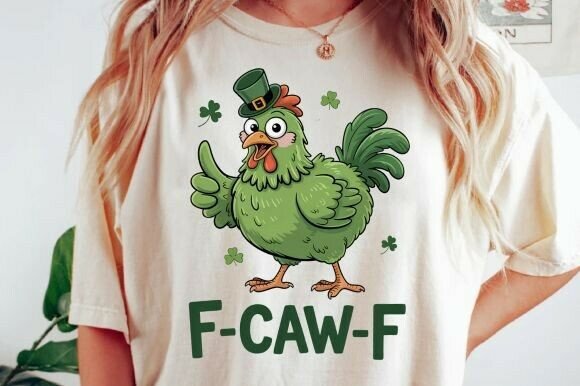
Mastering the F-CAW-F Irish Chicken Png and Lucky Png for Professional Print-on-Demand Success
The intersection of humor, cultural celebration, and high-quality digital design creates a unique opportunity for creators in the print-on-demand (POD) space. Specifically, the F-CAW-F Irish Chicken Png combined with Lucky Png aesthetics offers a playful twist on traditional St. Patrick’s Day motifs. However, simply downloading an image and slapping it onto a product is rarely enough to guarantee sales or customer satisfaction. Many entrepreneurs and hobbyists overlook critical technical and legal details that can make or break a project. Understanding the nuances of this specific digital asset is essential for anyone looking to leverage it effectively in their creative business.
Understanding the Asset and Its Market Appeal
At its core, this digital file represents more than just a cartoon chicken. It is a specialized graphic designed for sublimation and direct-to-garment printing, featuring a transparent background and high-resolution clarity. The "F-CAW-F" pun appeals to a demographic that enjoys irreverent humor mixed with festive spirit. When paired with "Lucky" thematic elements, it bridges the gap between niche internet humor and broader holiday celebrations.
Consumers are increasingly discerning. They no longer accept pixelated images or designs with awkward white boxes around them. This is why the specifications matter: a 300 DPI high resolution at 4500×5400 pixels ensures that the design remains crisp whether it is printed on a small mug or a large tote bag. The transparency is equally vital, allowing the design to blend seamlessly with colored fabrics without requiring complex editing skills from the user.
Common Mistakes That Compromise Quality
Despite the high quality of the source file, many users inadvertently degrade the final product through poor handling. One of the most frequent errors is improper resizing. Beginners often drag and drop the image into design software without maintaining the aspect ratio or checking the output dimensions. This can lead to distortion, where the chicken appears stretched or compressed, ruining the comedic effect and professional look.
Another significant oversight involves color profile management. Digital screens display colors in RGB (Red, Green, Blue), while most printing processes, especially sublimation, rely on CMYK (Cyan, Magenta, Yellow, Key/Black). If you do not account for this shift, the vibrant greens and oranges in your Lucky Png design may appear dull or muddy on the final physical product. Ignoring this technical reality often results in disappointed customers and increased return rates.
Furthermore, some creators mistakenly believe that "transparent background" means they can ignore the base color of their product. While the PNG has no background, the ink used in printing is semi-transparent. Printing a light-colored design on a dark shirt without a white underbase or proper layering techniques will result in a design that is barely visible. This misunderstanding leads to wasted materials and lost time.
Legal and Usage Misconceptions
Perhaps the most dangerous mistake involves usage rights. Many digital buyers assume that purchasing a file grants them unlimited freedom, but this is not always the case. Fortunately, this specific asset allows for Personal and Commercial Use, which is a significant advantage for POD businesses. However, confusion often arises regarding what "commercial use" entails.
Some sellers incorrectly believe they can resell the digital file itself. This is strictly prohibited. You are licensed to use the image on physical products or in flattened digital designs, but you cannot redistribute the raw PNG file. Violating this term can lead to account bans on platforms like Etsy, Amazon Merch, or Redbubble. Additionally, failing to read the license thoroughly might lead creators to use the image in trademarked contexts or offensive materials, which can void the license agreement entirely.
Practical Advice for Optimal Results
To avoid these pitfalls, adopt a disciplined workflow. First, always verify your canvas settings before importing the F-CAW-F Irish Chicken Png. Ensure your design software is set to 300 DPI from the start. If you are designing for a standard t-shirt, check the specific print area requirements of your POD provider. Most providers require a safe zone where no critical design elements should be placed to avoid cutting errors.
When it comes to color accuracy, consider creating a test print. Order a sample for yourself before listing the item for sale. This allows you to see how the greens and yellows translate to fabric. If the colors appear off, adjust the brightness and contrast in your editing software. Often, slightly increasing the saturation can compensate for the dulling effect of fabric absorption.
For those using sublimation on mugs or tumblers, remember that the curvature of the object affects the visual perception of the design. Center the Lucky Png element carefully. Use mockup tools that accurately represent the 3D shape of the product to ensure the chicken’s face and text are not distorted by the curve. This attention to detail separates amateur sellers from professional brands.
What to Check Before Finalizing Your Design
Before you upload your final design to your store, perform a quick audit. Check the edges of the PNG. Are there any stray pixels or halo effects? High-quality files like this one should have clean edges, but if you have resized or manipulated the image significantly, artifacts may appear. Zoom in to 100% view to inspect these details.
Verify the text readability. The pun "F-CAW-F" relies on clear typography. Ensure that the font choice complements the whimsical nature of the chicken illustration without sacrificing legibility. Avoid overly decorative fonts that might clash with the main graphic. Contrast is key; if the text is white, ensure it stands out against the background color of the shirt or mug.
Finally, double-check your file format upon export. While the source is a PNG, ensure you are saving your final design in the format required by your printer. Some platforms prefer PNGs for transparency, while others might accept high-quality JPEGs if transparency is not needed. Keeping the original high-resolution file safe allows you to generate different formats as needed without losing quality.
Maximizing Versatility Across Products
The versatility of this asset is one of its strongest selling points. Do not limit yourself to t-shirts. The 4500×5400 pixels resolution is sufficient for large-format prints like wall art or posters. Consider creating bundled listings that include matching mugs, tote bags, and even digital scrapbook elements. This approach increases the average order value and appeals to customers looking for cohesive gift sets.
For digital planners and scrapbooking enthusiasts, the transparent background allows for easy layering over patterns and textures. You can create themed digital stickers or journal cards. This expands your market beyond physical goods into the digital download sector, providing a passive income stream with no shipping logistics.
In conclusion, success with the F-CAW-F Irish Chicken Png and Lucky Png lies in the details. By respecting the technical specifications, understanding the legal boundaries, and applying thoughtful design principles, you can create products that stand out in a crowded marketplace. Avoid the common traps of poor resizing and color mismanagement, and always prioritize quality control. With the right approach, this humorous and festive graphic can become a staple in your creative portfolio, driving both engagement and sales throughout the year.