Vision Board Clipart: Integrating Aesthetic Assets into Your Creative Workflow
In the realm of digital design and personal development, visual clarity is not merely an aesthetic preference; it is a functional necessity. Whether you are a small business owner curating brand assets, a life coach designing client resources, or an individual mapping out annual goals, the quality of your visual elements directly impacts engagement and retention. This is where Vision Board Clipart becomes a critical component of your creative toolkit. Rather than treating these assets as simple decorations, consider them foundational building blocks for manifestation projects, planners, and high-impact social media graphics.
The modern creator operates in a fast-paced environment where consistency and speed are paramount. Sourcing high-resolution, versatile imagery that aligns with a specific aesthetic can often become a bottleneck in the production process. By integrating professional-grade clipart into your workflow, you eliminate the friction of starting from scratch. This approach allows you to focus on the strategic arrangement of ideas and the emotional resonance of your message, rather than getting bogged down in the technicalities of illustration or photography licensing.
Understanding the Role of High-Resolution Assets in Design
When we discuss Vision Board Clipart, we are referring to pre-designed graphical elements that serve a specific thematic purpose: inspiration, goal setting, and lifestyle aspiration. However, the utility of these assets extends far beyond the traditional cork-board vision board. In a professional context, these images act as modular components that can be repurposed across various mediums. The key to leveraging them effectively lies in understanding their technical specifications and how those specifications influence your output quality.
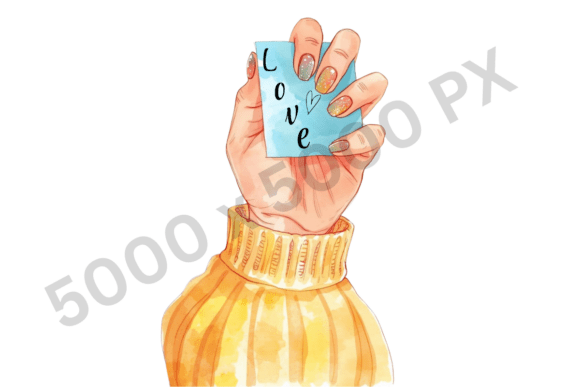
The clipart described here is created at 5000 x 5000 pixels with a resolution of 300 DPI (dots per inch). For those unfamiliar with print standards, 300 DPI is the industry benchmark for high-quality physical printing. This means the image retains its sharpness and detail whether it is displayed on a retina screen or printed on a large-format poster. Many free or low-quality assets found online are optimized only for web use (72 DPI), which results in pixelation and blurriness when scaled up for print products like affirmation cards or wall art. By starting with a high-resolution source file, you future-proof your designs, ensuring they remain crisp regardless of the final application.
Furthermore, the inclusion of a transparent background is a non-negotiable feature for efficient workflow integration. A transparent PNG file allows you to layer the clipart over any color, texture, or photograph without the need for complex masking or background removal tools. This compatibility saves hours of editing time, particularly when you are batch-creating content for social media or designing a series of journal pages. It ensures that the asset blends seamlessly into your existing design ecosystem, maintaining visual cohesion across all your projects.
Strategic Implementation Across Different Platforms
To maximize the return on your creative investment, it is essential to map out how these assets fit into your broader content strategy. Vision Board Clipart is not a one-time use item; it is a versatile resource that can support multiple stages of your business or personal growth journey. Below are practical ways to integrate these assets into your daily operations.
Digital Product Creation
For entrepreneurs and designers, digital products represent a scalable revenue stream. These clipart elements are ideal for creating printable planners, manifestation journals, and affirmation decks. Because the files are high-resolution, you can confidently sell these as physical prints or digital downloads without worrying about quality complaints. When designing a planner, use the clipart to create section dividers or cover art. The modern, aesthetic style appeals to a demographic that values minimalism and intentionality, making your product more marketable in crowded niches like self-development and productivity.
Social Media and Content Marketing
Consistency is the cornerstone of effective social media presence. Using a consistent set of visual assets helps establish brand recognition. You can use the clipart to create quote graphics, story backgrounds, or highlight covers for Instagram and Pinterest. Since the files are large, you can crop and resize them for different platforms without losing fidelity. For example, a single element from the clipart set can be used as a subtle watermark on your educational posts, reinforcing your brand identity while providing value to your audience. This method ensures that your content stands out in a feed saturated with generic stock photography.
Coaching and Client Resources
If you are a coach, therapist, or educator, visual aids can significantly enhance the learning experience. Incorporate these images into your slide decks, worksheets, and client handouts. When guiding clients through goal-setting exercises, providing them with visually appealing templates can increase their engagement and commitment to the process. The psychological impact of well-designed materials should not be underestimated; it signals professionalism and care, which can strengthen the client-provider relationship. You might create a "Dream Life" workbook where each chapter features distinct elements from the clipart collection, creating a thematic thread that guides the user through their transformation.
Workflow Efficiency and Organization Tips
Integrating new assets into your workflow requires a systematic approach to organization. Without proper management, even the highest quality files can become lost in a sea of downloads. Here are some practical steps to ensure smooth implementation:
- Centralized Asset Library: Create a dedicated folder in your cloud storage or local drive specifically for your clipart collections. Subdivide this folder by theme or project type. For instance, keep your Vision Board Clipart separate from general icon sets or photographic backgrounds. This reduces search time when you are in the flow of creation.
- Template Development: Instead of designing from scratch every time, create master templates in your preferred design software (such as Canva, Adobe Photoshop, or Illustrator). Place your most frequently used clipart elements into these templates. When you need to produce a new piece of content, simply duplicate the template and swap out the text. This drastically reduces production time and ensures visual consistency.
- Color Palette Coordination: While the clipart is designed with a modern aesthetic, it is important to ensure it complements your brand colors. Use color picking tools to extract hues from the clipart and build a complementary palette for your text and backgrounds. This creates a harmonious look that feels intentional rather than assembled.
- Quality Control Checks: Before finalizing any design for print or publication, always zoom in to 100% to check for any alignment issues or pixelation. Even with high-resolution files, improper scaling within your design software can cause rendering errors. Ensure that you are importing the PNG correctly and that your document settings match the intended output (e.g., CMYK for print, RGB for digital).
Long-Term Value and Versatility
The true value of investing in premium Vision Board Clipart lies in its longevity and adaptability. Unlike trend-driven graphics that may feel outdated within months, aesthetic, minimalist designs tend to have a longer shelf life. They provide a clean canvas that allows your message to take center stage. As your brand or personal goals evolve, these assets can be recontextualized. An image used for a New Year’s resolution campaign can later be repurposed for a mid-year review or a quarterly planning session.
Moreover, the instant digital download format means there is no waiting period for shipping or production. You gain immediate access to the tools you need to execute your ideas. This immediacy supports agile workflows, allowing you to respond quickly to market trends or personal inspirations. For small business owners, this agility can be the difference between capitalizing on a trending topic and missing the window of opportunity.
It is also worth noting the ethical and legal advantages of using licensed clipart. When you purchase or download these assets from reputable sources, you typically receive clear usage rights. This protects you from copyright infringement issues that can arise when using unverified images from the internet. For professional creators, this peace of mind is invaluable, allowing you to focus on growth and creativity rather than legal risks.
Final Thoughts on Intentional Design
Incorporating Vision Board Clipart into your projects is more than a design choice; it is a strategic decision to elevate the quality and impact of your work. By choosing high-resolution, transparent, and aesthetically pleasing assets, you streamline your production process and enhance the perceived value of your outputs. Whether you are building a dream life vision board for yourself or creating inspirational products for others, these tools provide the visual language necessary to communicate intention and motivation.
Remember that the effectiveness of these assets depends on how thoughtfully they are integrated. Take the time to organize your files, develop reusable templates, and align the visuals with your broader goals. By doing so, you transform simple clipart into a powerful engine for creativity and productivity. Embrace the convenience of digital assets, but never lose sight of the human element—the inspiration and intention that drive your projects forward. With the right tools and a structured approach, you can create designs that not only look beautiful but also resonate deeply with your audience and support your long-term vision.